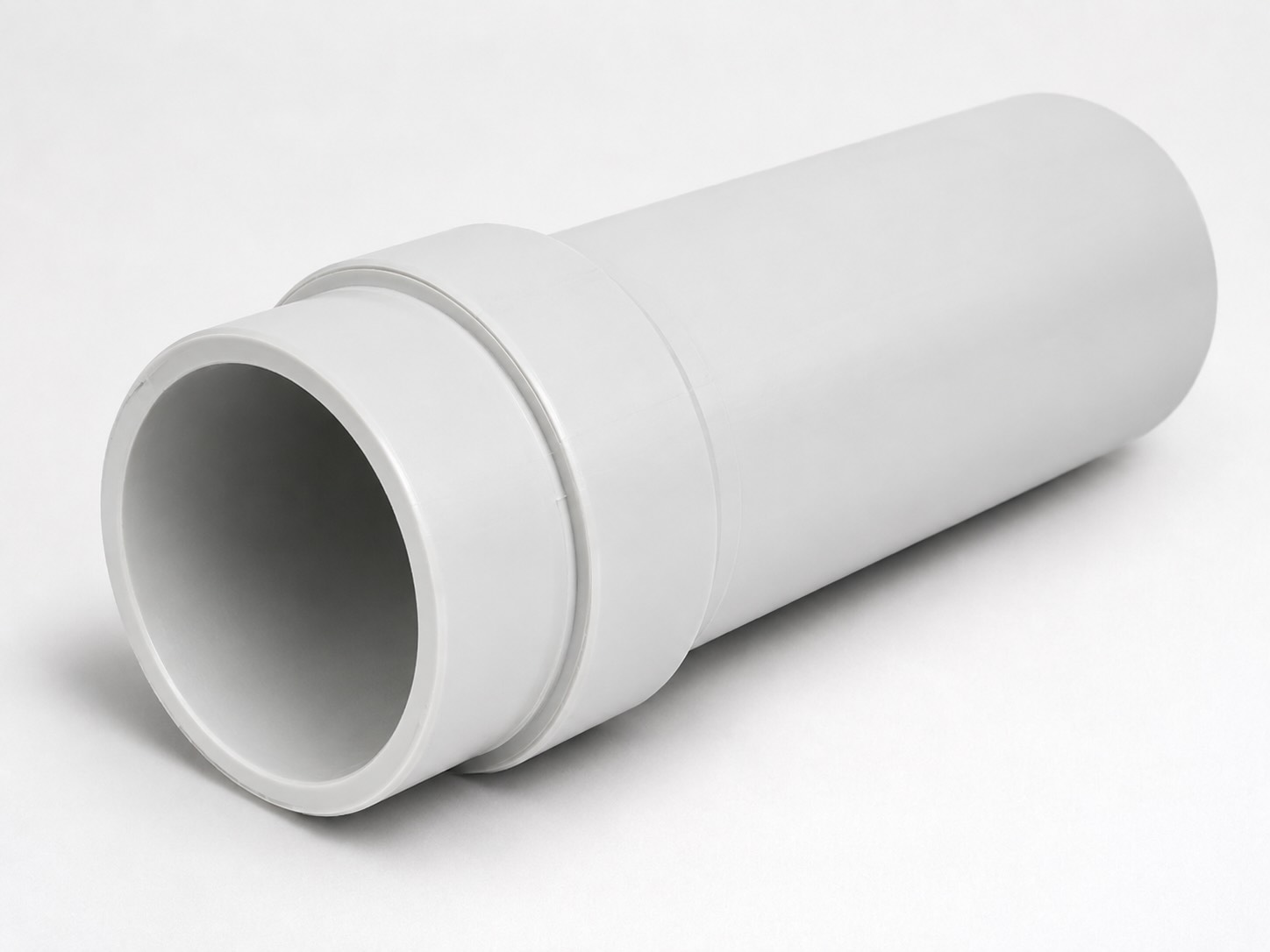
When a sewer line is generally in good condition but has one or two isolated defects, a trenchless point repair is often the most cost-effective solution.
After locating the exact defect with the camera and locator system, our technicians install an epoxy repair patch using an inflatable packer. The patch is positioned precisely over the damaged area and inflated against the pipe wall while the epoxy cures.
This method allows us to repair specific defects with minimal excavation and minimal disruption to the property. When multiple repairs are needed throughout the line, a full sewer liner is often a better long-term investment.
How it works
Final pricing depends on line length, pipe material, and access. We confirm everything before any work begins.
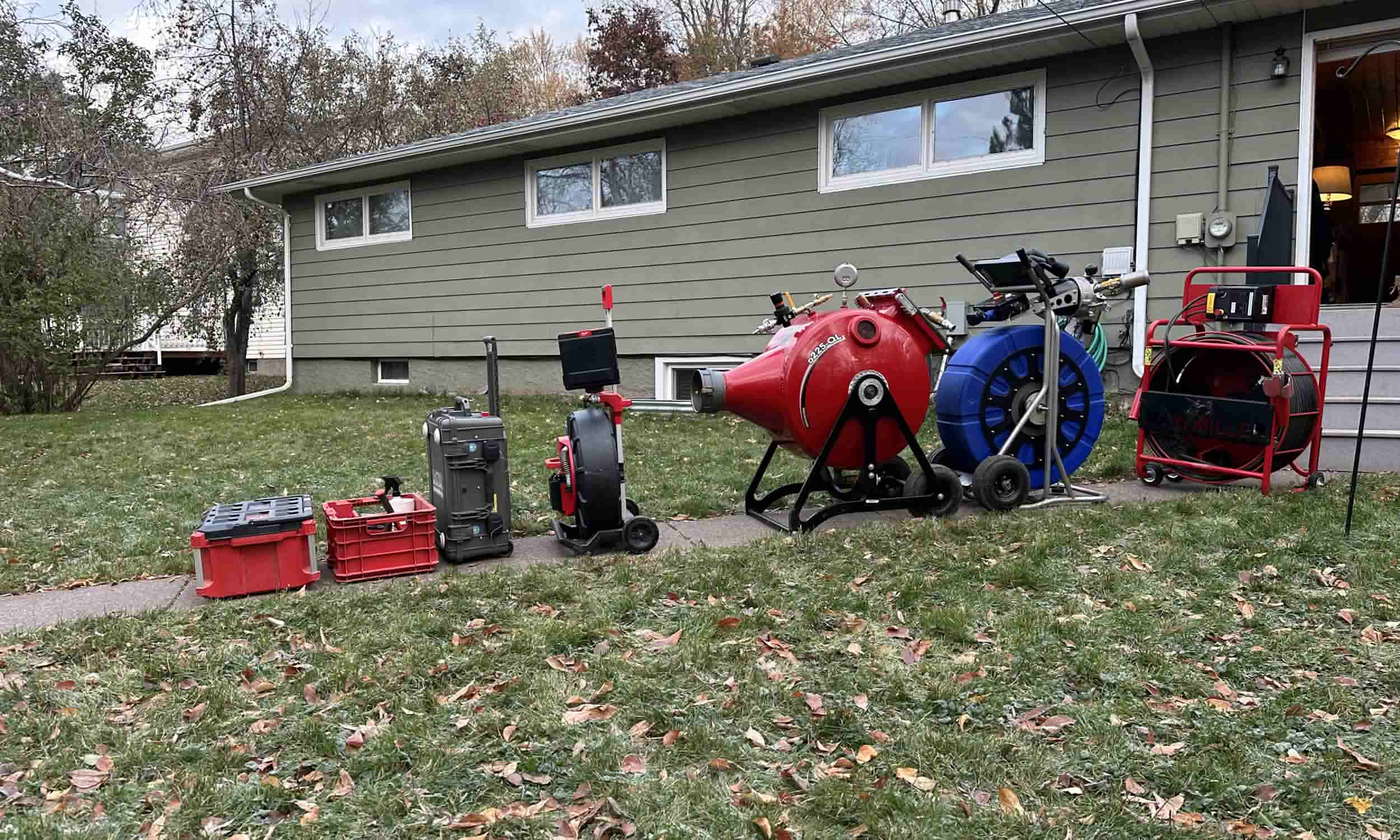
When our camera goes in the ground, we usually know what we're going to find before we see it. There's a lot of history in these pipes.
Driveways and sidewalks stay completely untouched.
Turf, gardens, irrigation, and trees left intact.
Most trenchless repairs are wrapped in a single day.
A point repair fixes a single specific failure location in an otherwise sound sewer line. An epoxy-saturated liner is installed at the exact problem spot and cured in place, creating a new pipe section within the existing pipe. No trench, no full replacement.
When the camera shows a localized failure, for example a separated PVC joint, a single cracked section, or a small root intrusion point, and the rest of the line is in good condition.
Point repair starts at $3,500 or more depending on the location and depth of the failure. It is typically the most cost-effective option when only a short section of the line has failed.
Most point repairs are completed in a few hours on the same day as the camera inspection.
Yes. The epoxy liner creates a permanent repair at the failure location with the same durability as full CIPP lining.
Straight answers on cost, process, and what to expect. No bait-and-switch, no hidden fees.
Camera inspections on service calls are free. If you need a standalone pre-purchase or point-of-sale inspection with a full written report, that starts at $250. The camera is always the first step. It tells us exactly what is going on before we recommend any repair, so you are never paying for work you do not need.
Additional drive time may apply for locations outside our standard service area.
Most residential pipe bursting projects run $12,000 to $20,000+ depending on pipe length, depth, and access conditions. Pipe bursting replaces your entire sewer line with new HDPE pipe without major excavation, which means far less restoration cost compared to traditional dig-and-replace. Consultations and estimates are always free.
Free consultation and on-site estimate included.
Sewer pipe lining (cured-in-place pipe, or CIPP) typically runs $5,000 to $15,000+. The range depends on the length of pipe being lined and how much prep work the condition of the line requires. Lining is often the most cost-effective solution for cracked or root-infiltrated pipe. We insert a resin liner that cures in place and lasts 50 years, usually in a single day.
Single-day installation in most cases. No major excavation required.
Water line repairs start at $5,000+. Full replacements typically run $10,000 to $15,000+ depending on line length and site conditions. We use trenchless methods where possible to minimize yard disruption and reduce restoration costs.
Trenchless options available depending on existing pipe condition.
Point repair starts at $3,500+. It is the targeted fix. When the camera shows a single isolated problem like a collapse or a bad joint, we address just that section instead of replacing the whole line. Faster turnaround, lower cost, and your existing pipe stays in place everywhere else.
Ideal for isolated damage. Lower cost than full-line replacement.
Every job is different. Get an exact number for yours, no commitment required.
Get a free estimate →Trenchless sewer repair is a method of fixing or replacing damaged sewer lines without digging a trench across your yard. Instead of excavating the full length of the pipe, we access the line from one or two small entry points. Depending on the condition of the pipe, we can line it from the inside using CIPP (cured-in-place pipe) technology, or we can burst the old pipe outward and pull a new one through in its place. Most jobs are completed in a single day with minimal disruption to your lawn, driveway, and landscaping.
The most reliable way to know is a camera inspection. We run an HD camera through your line and show you exactly what is happening and where. Common signs that something is wrong include slow drains throughout the house rather than at a single fixture, gurgling sounds when toilets or other drains are used, sewage smell in the yard or basement, wet patches in the lawn without an obvious water source, and backups that clear temporarily and then return within a short time. Any of these symptoms is a reason to schedule a camera inspection.
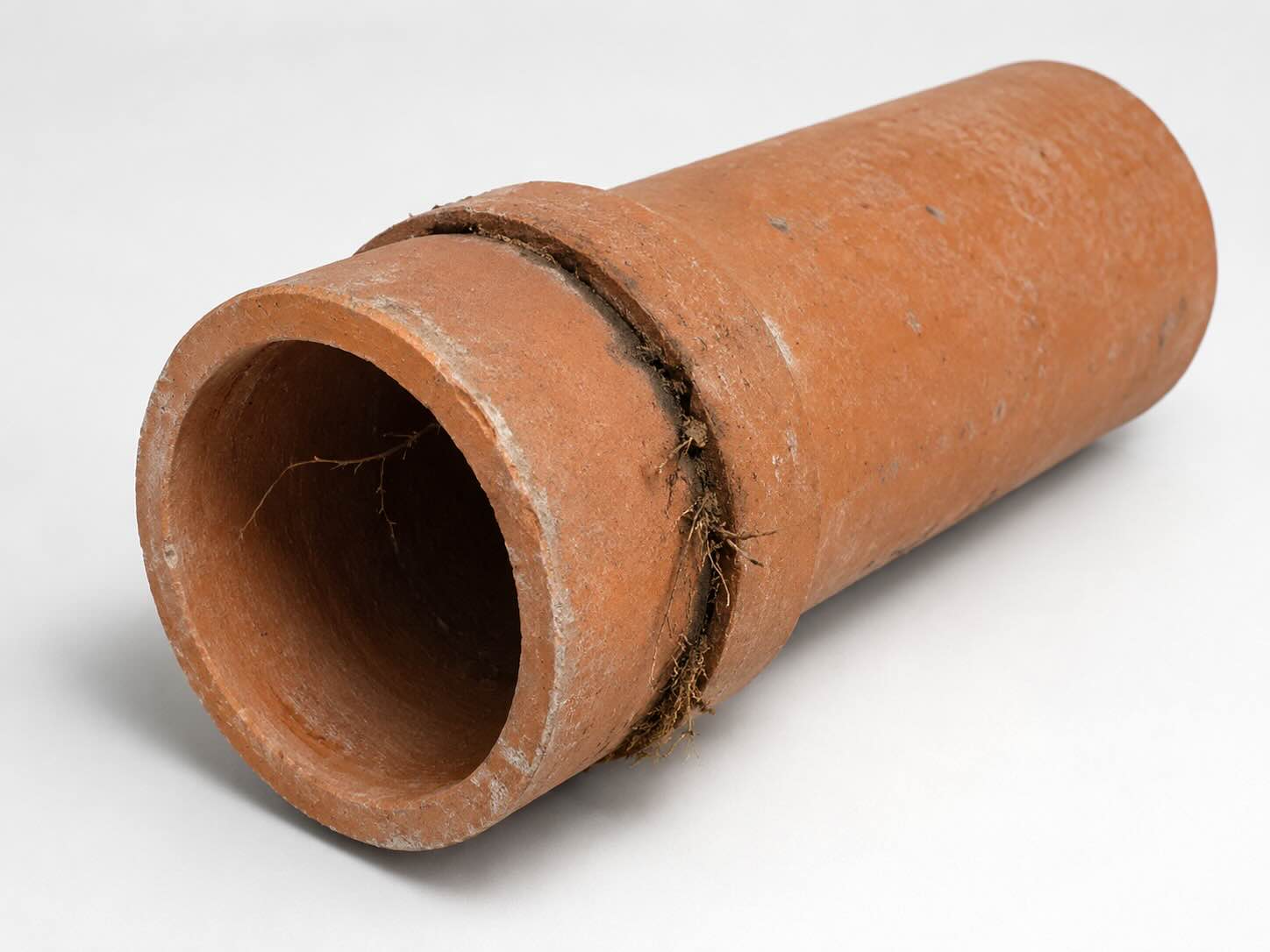
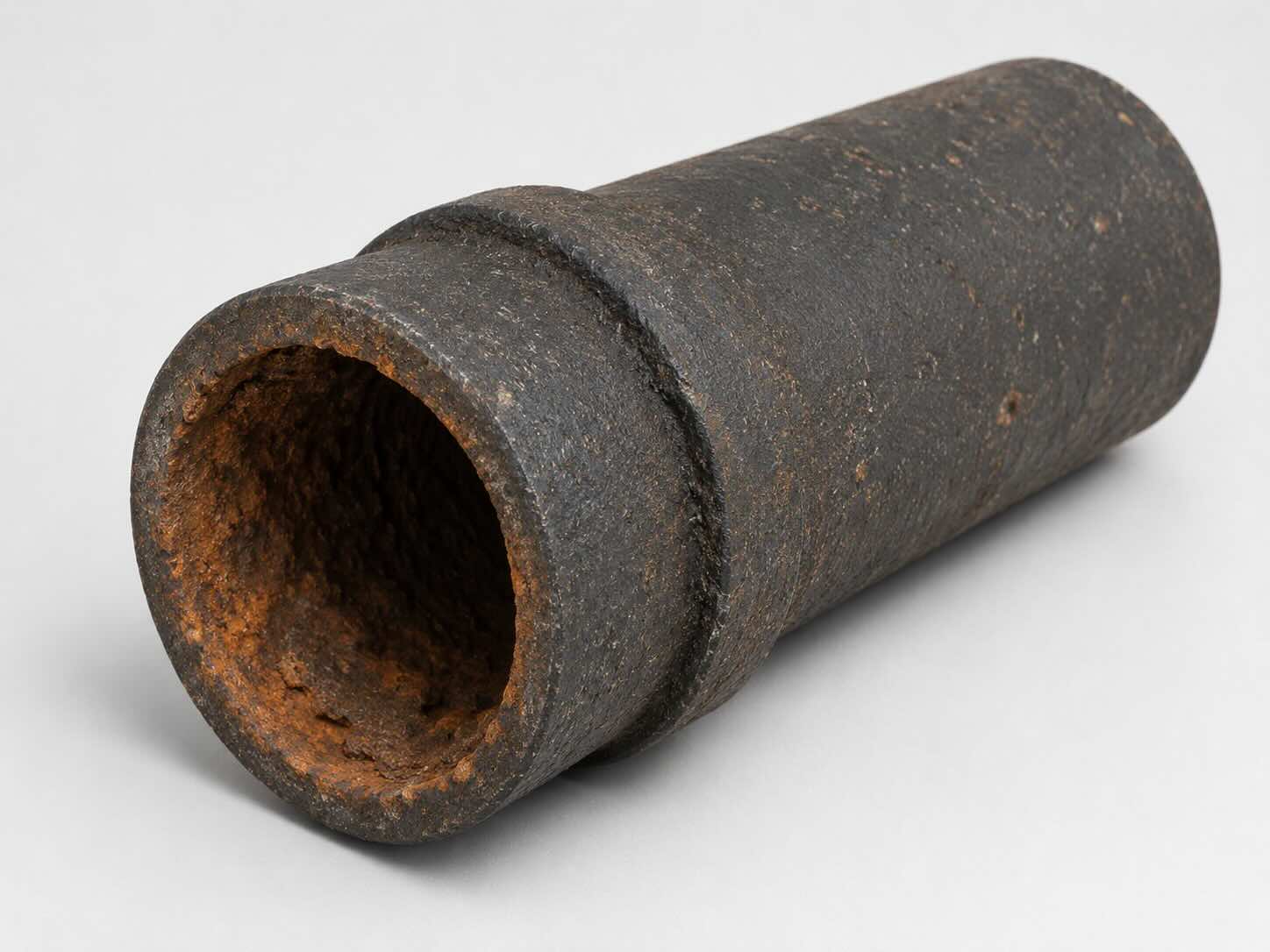
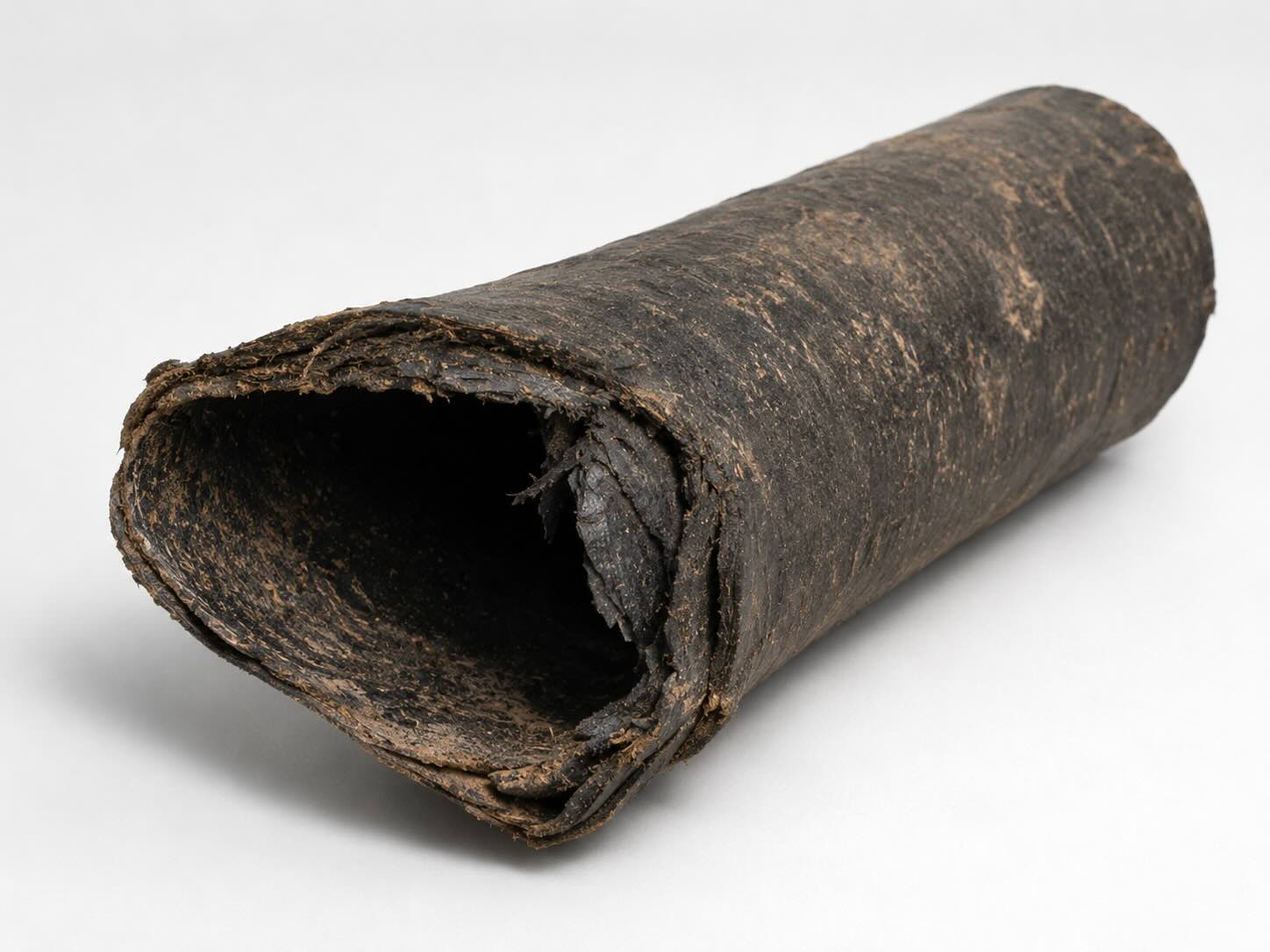
Homes built before 1965 in Duluth and Superior typically have clay tile or cast iron sewer lines. Homes built between 1945 and 1965 may have Orangeburg pipe, which is made from compressed paper pulp and coal tar and is past its useful life in almost all cases. Homes built after 1980 almost certainly have PVC. Clay, cast iron, and Orangeburg are all past or near the end of their expected service life. A camera inspection confirms the material and condition of your specific line before we recommend anything.
Yes. Superior is part of our core service area. We cross the bridge regularly and treat Superior the same as Duluth for scheduling and response time. Superior sewer service is managed by the City of Superior, while water service is handled by Superior Water, Light and Power. We coordinate permit applications and utility contacts as part of every project in Superior.
A properly installed CIPP liner has an expected service life of 50 years. The liner is UV-cured inside your existing pipe, creating a seamless new pipe within the old one. Because the liner has no joints, it eliminates the gaps where roots typically enter clay and cast iron pipe. Once cured, the liner carries the load and the original host pipe effectively becomes the outer shell.
Yes. The City of Duluth has operated an Inflow and Infiltration (I&I) reduction program since 2012 that provides grants and financial assistance to homeowners who make qualifying improvements to reduce groundwater from entering the sanitary sewer. The City of Superior has a similar program. Contour is on the approved contractor list for both programs. Qualifying improvements often include house trap removal, lateral repairs, and disconnecting foundation drains or downspouts from the sanitary system. Learn more about financial assistance programs.
The thing people say most: they couldn't tell we were ever there.

Based in Duluth at 4958 Rice Lake Rd. We service homes and businesses across Northern Minnesota and Wisconsin. Enter your address to see how quickly we can be there.
Enter your address. We will open Google Maps with directions from our shop right to your door.
Travel times are typical and vary with traffic and weather. For service outside this list, please call.
Equipment partners
A camera inspection takes 30 minutes and tells you exactly what's wrong and what every option costs. Most people are relieved by that conversation.
No commitment · Same-week availability · Serving Duluth and the surrounding region