Sewer lining is used when a pipe has multiple defects but is still structurally suitable for rehabilitation.
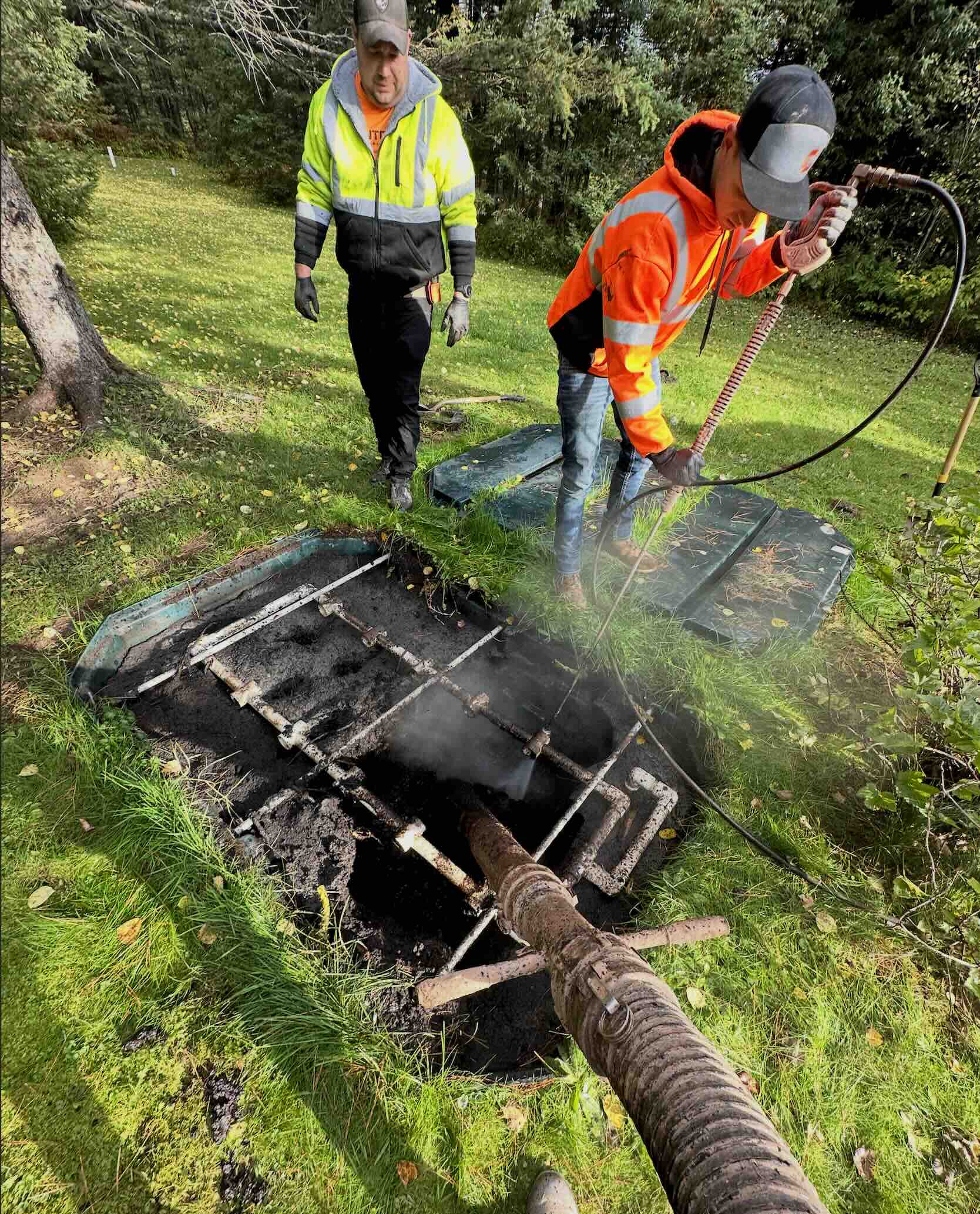
The process begins with a detailed camera inspection and extensive cleaning of the existing sewer line. Specialized cleaning equipment removes roots, buildup, burrs, and debris to prepare the pipe for lining.
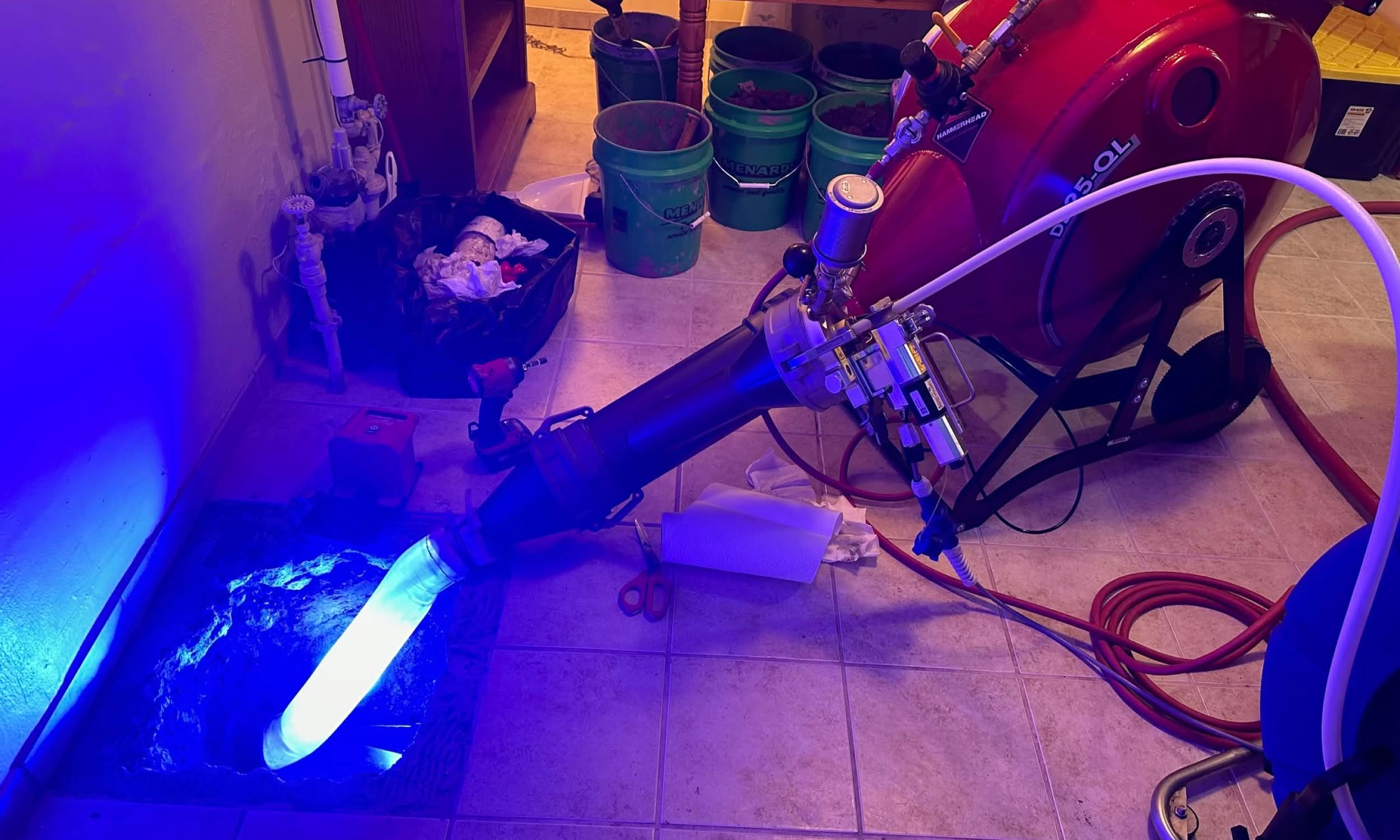
Once cleaned, a custom liner is measured, cut, and saturated with epoxy resin. The liner is installed through an inversion process that presses it tightly against the existing pipe walls. A calibration tube ensures the liner conforms to the exact shape and diameter of the host pipe.
After installation, a blue-light curing system is pulled through the sewer line to harden the epoxy and create a new seamless pipe within the old pipe. Any branch connections are reopened using robotic cutting equipment, and a final camera inspection verifies the quality of the installation.
The result is a structurally sound sewer line with minimal excavation and significantly reduced restoration costs.
The lining process
Final pricing depends on line length, pipe material, and access. We confirm everything before any work begins.
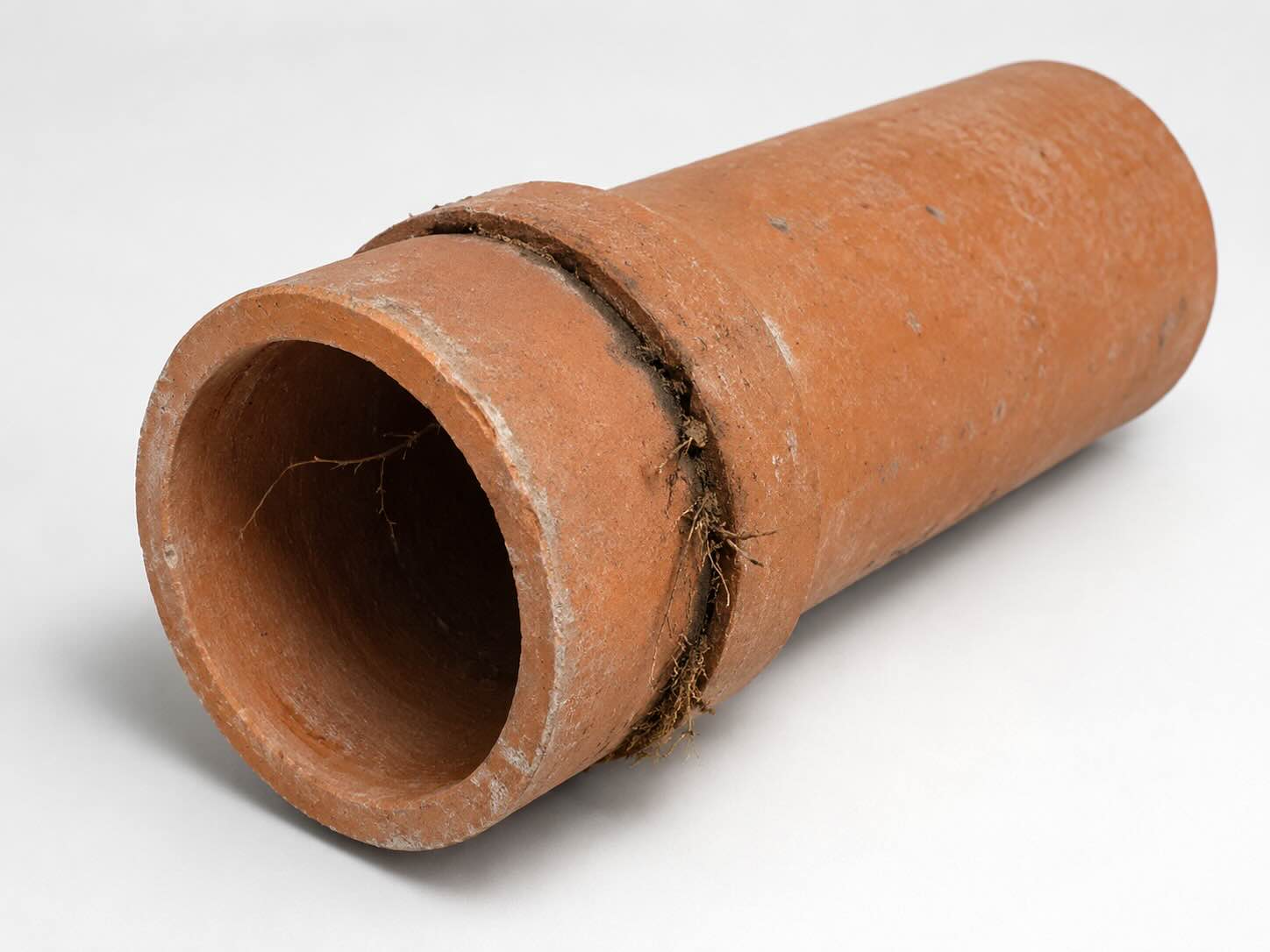
When a sewer line still maintains its general shape and alignment, CIPP lining allows us to install a new structural pipe inside the existing one. The result is a seamless, root-resistant pipe designed to provide 50+ years of service while avoiding major excavation and preserving your yard, driveway, landscaping, and hardscapes.
When a sewer line has lost its shape, contains major bellies, or is completely collapsed, replacement becomes the better option. Our first choice is typically pipe bursting because it allows us to install a completely new pipe while minimizing disruption to the yard.
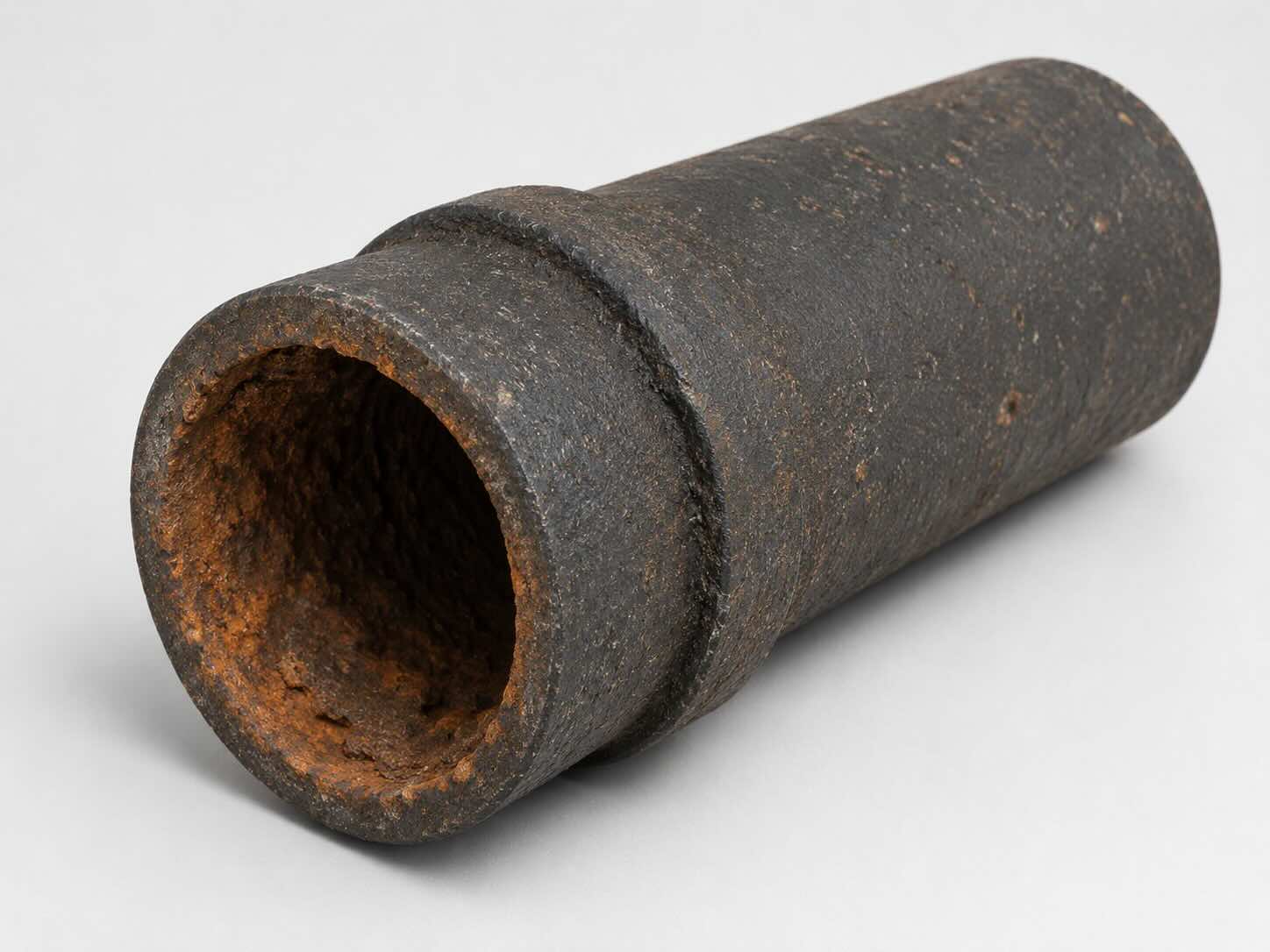
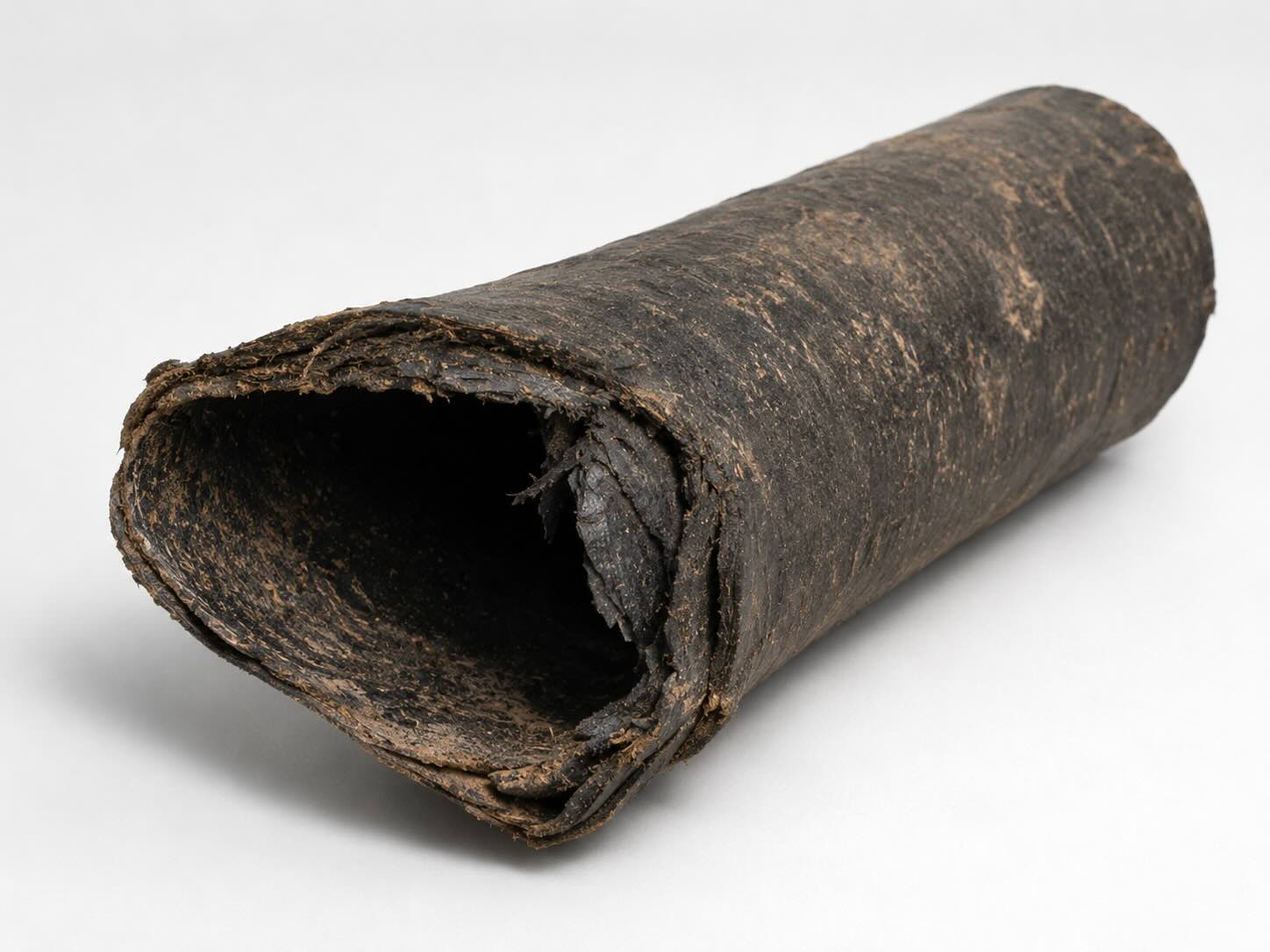
When our camera goes in the ground, we usually know what we're going to find before we see it. There's a lot of history in these pipes.
Driveways and sidewalks stay completely untouched.
Turf, gardens, irrigation, and trees left intact.
Most trenchless repairs are wrapped in a single day.
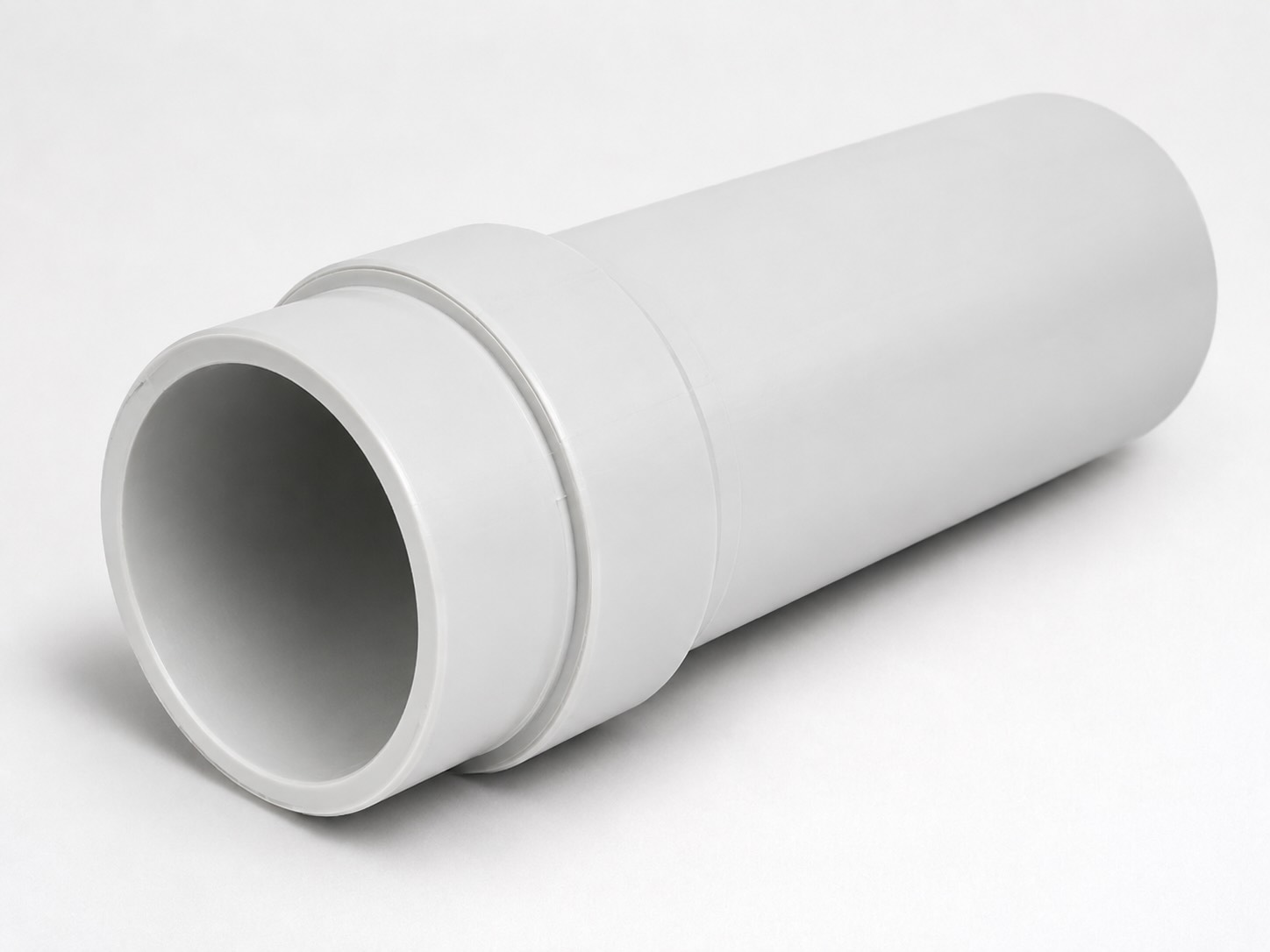
Yes. The CIPP liner is the same thickness as a schedule 35 PVC pipe. It is not a lesser product. The only reason we would choose a different method is if the pipe cannot physically hold a liner, not because lining is a compromise.
Most pipes can be lined including clay tile, cast iron, concrete, and PVC. The pipe needs to hold its basic form. A liner can even bridge sections where pipe material is missing, as long as it can reach the next intact section.
When the pipe is collapsed, when there is a major belly or sag that would trap water in the liner, or when the connection at the street main requires excavation anyway. In those cases bursting or a hybrid approach is the better call.
Most residential jobs in Duluth are completed in a single day. We clean the line, pull the liner through, cure it with UV light, and run a final camera pass to confirm before we leave.
Most residential sewer lining projects range from $5,000 to $15,000 or more depending on line length, pipe material, and access. We confirm final pricing before any work begins.

We include a 10-year warranty. The liner itself has a 50-year design lifespan.
The thing people say most: they couldn't tell we were ever there.

Based in Duluth at 4958 Rice Lake Rd. We service homes and businesses across Northern Minnesota and Wisconsin. Enter your address to see how quickly we can be there.
Enter your address. We will open Google Maps with directions from our shop right to your door.
Travel times are typical and vary with traffic and weather. For service outside this list, please call.
Equipment partners
A camera inspection takes 30 minutes and tells you exactly what's wrong and what every option costs. Most people are relieved by that conversation.
No commitment · Same-week availability · Serving Duluth and the surrounding region