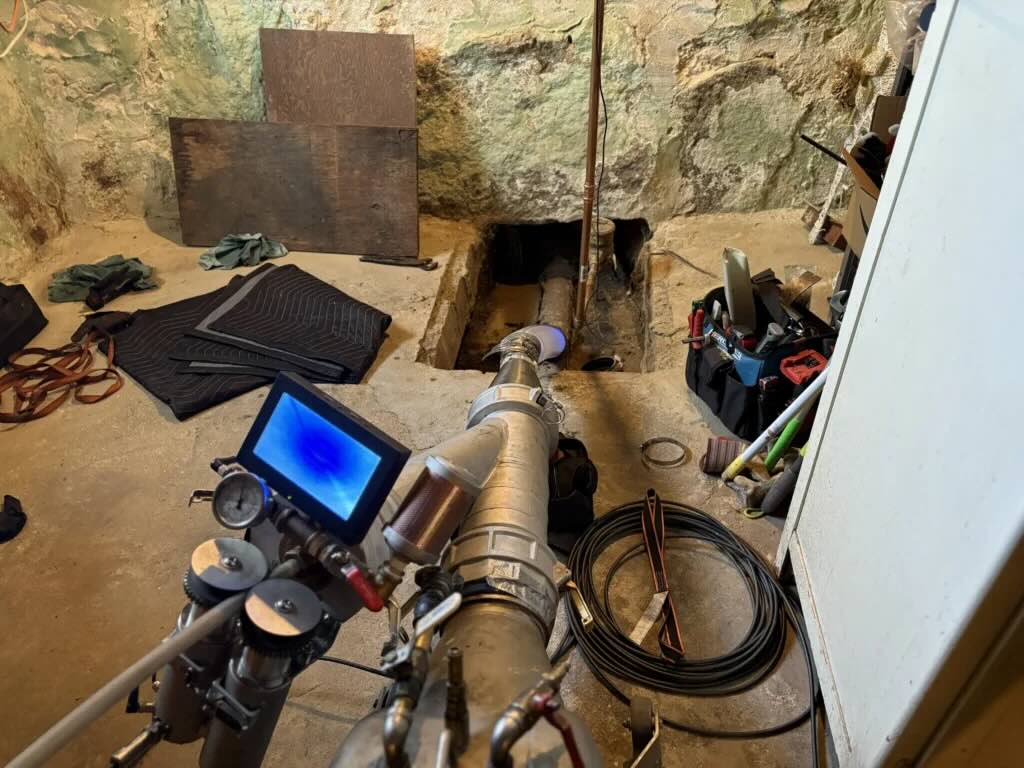
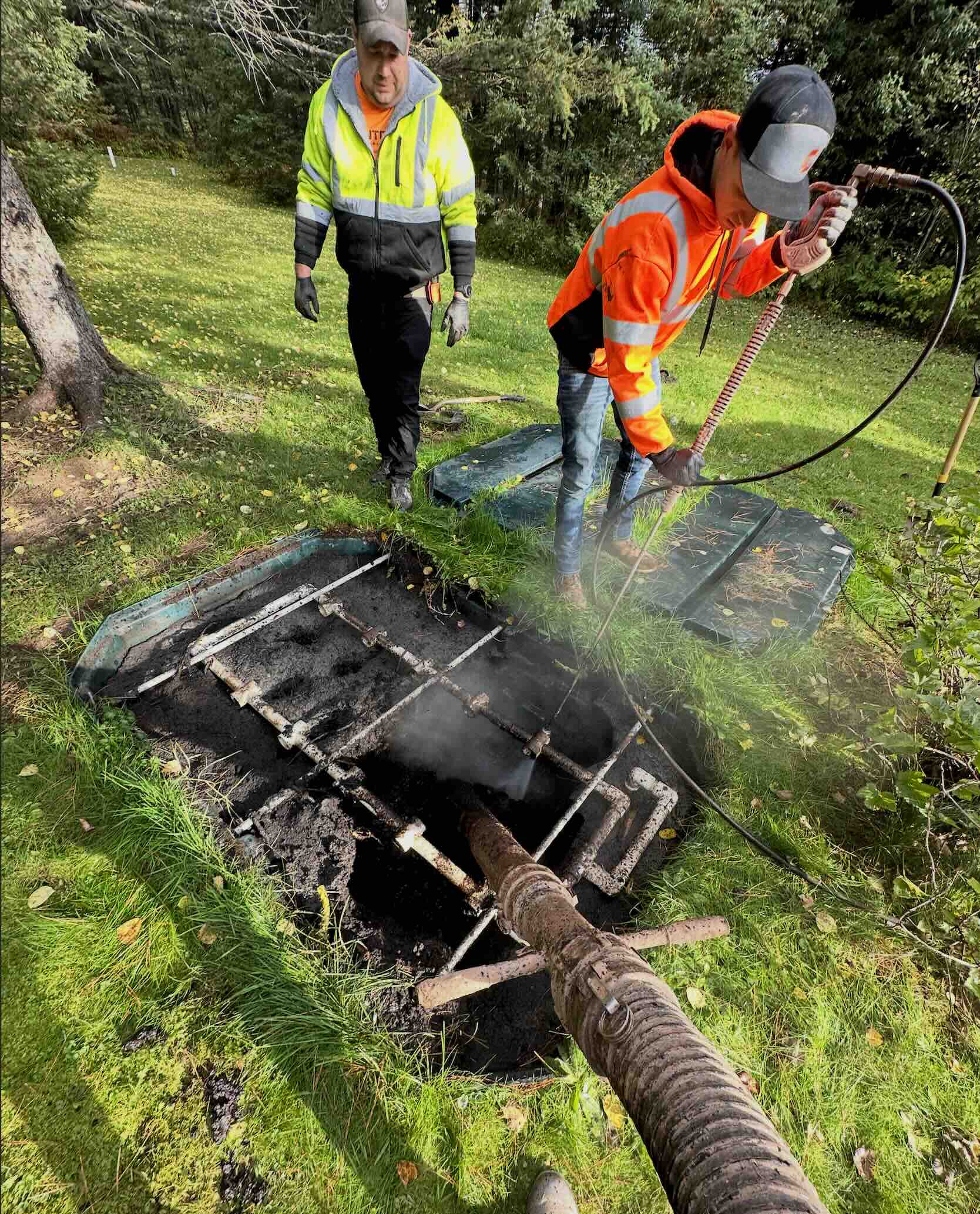
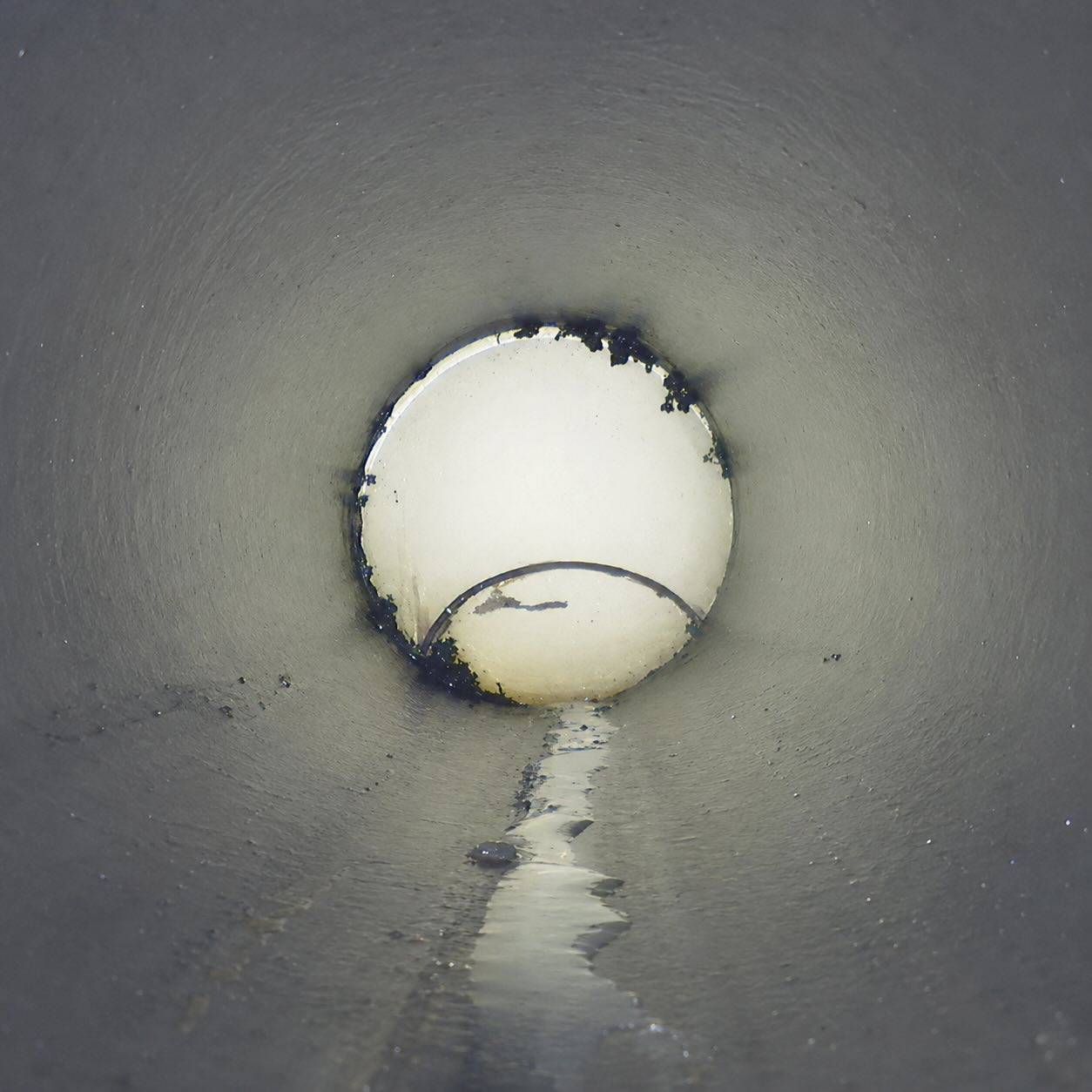
Install a new pipe inside the existing pipe.
When a sewer line still maintains its general shape and alignment, CIPP lining allows us to install a new structural pipe inside the existing one. The result is a seamless, root-resistant pipe designed to provide 50+ years of service while avoiding major excavation and preserving your yard, driveway, landscaping, and hardscapes.
CIPP lining is the right choice when:
✓
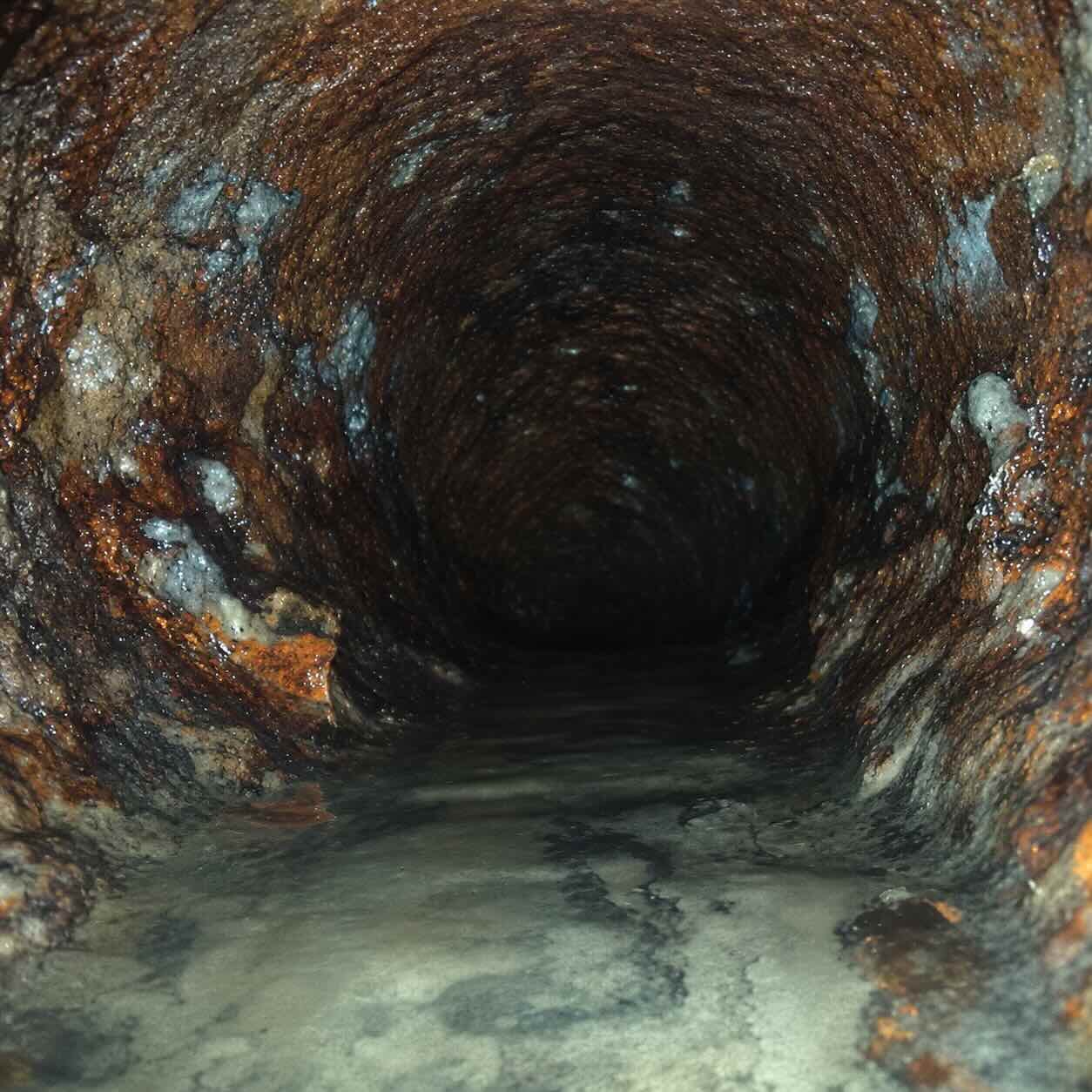
The pipe retains its round shape, but has cracks, root intrusion, or moderately separated joints.
✓
The line is clay tile, cast iron, PVC, Orangeburg, or other pipe material that is not collapsed.
✓
The client is taking a proactive approach, and repairing the line before an issue occurs.
What you should know:
✓
CIPP lining creates a new structural pipe inside the existing pipe.
✓
The finished liner is seamless and resistant to roots and joint separation.
✓
Properly installed CIPP liners provide an expected service life of 50+ years.
Common in Duluth, MN: Many older clay tile lines from pre-1950s homes, cast iron, and even Orangeburg sewer lines can be successfully rehabilitated with CIPP lining when the pipe has not collapsed.
New pipe. Minimal excavation whenever possible.
When a sewer line has lost its shape, contains major bellies, or is completely collapsed, replacement becomes the better option. Our first choice is typically pipe bursting because it allows us to install a completely new pipe while minimizing disruption to the yard.
Replacement is the right choice when:
✓
The pipe is fully collapsed and a camera or cable cannot pass through.
✓
A major belly or sag is causing standing water and recurring backups.
✓
The line has severe deformation that cannot support a structural liner.
✓
The pipe route or elevation must be corrected.
✓
Existing defects prevent successful CIPP installation.
How we replace sewer lines:
✓
Pipe Bursting – A new pipe is pulled through the existing line while breaking apart the old pipe underground.
✓
Typically requires excavation only at the city connection, not a trench through your yard.
✓
Preserves most landscaping and causes far less disruption than traditional trenching.
✓
Installs a completely new sewer pipe with a 50+ year life expectancy.
Traditional excavation is only necessary when:
✓
The pipe is completely collapsed and inaccessible.
✓
A major belly requires regrading of the sewer line.
✓
Site conditions prevent pipe bursting.
Common in Duluth, MN: Orangeburg sewer lines in post-war homes built between 1945 and 1965 can deform or collapse and are often addressed with pipe bursting or replacement.